In the realm of corporate culture, the concept of ritualistic design has emerged as a powerful tool for embedding values, fostering belonging, and creating shared meaning among employees. Unlike dry policy manuals or forgettable training sessions, well-crafted rituals transform abstract cultural principles into tangible experiences that resonate at both emotional and practical levels. When employees participate in recurring cultural rituals, they don't just learn about the company's ethos—they live it through repeated actions that accumulate significance over time.
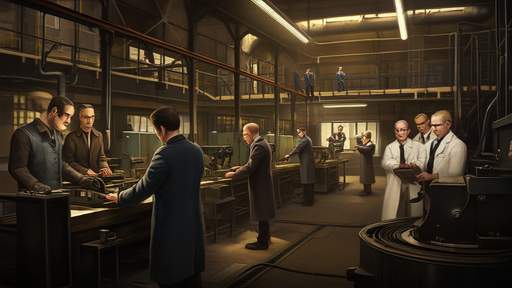
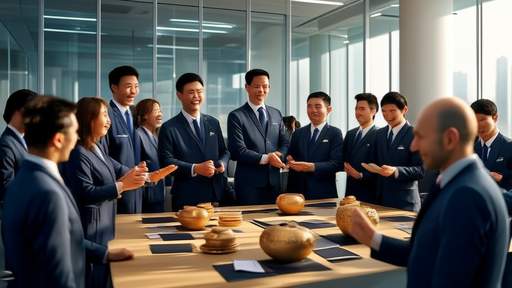
The most effective cultural rituals share several subtle but critical characteristics. They feel authentic rather than forced, often incorporating elements from the company's origin story or industry-specific traditions. Tech startups might ritualize product launch celebrations with quirky traditions like ringing a custom-made gong, while manufacturing firms could develop safety rituals that turn precautionary measures into sacred routines. The magic happens when these practices cease to feel like corporate mandates and instead become beloved traditions that employees would miss if they disappeared.
Seasonality plays a fascinating role in ritual design. Annual traditions like anniversary celebrations or holiday events create anticipation and mark the passage of time within the organizational journey. However, the most impactful cultures complement these major events with smaller, more frequent rituals—perhaps weekly recognition moments or monthly innovation showcases. This rhythm ensures cultural reinforcement doesn't become an occasional splash but rather a steady current running through daily work life. The balance between grand ceremonial moments and small habitual practices creates a cultural heartbeat that keeps values alive.
Physical spaces often serve as ritual amplifiers when thoughtfully designed. Many organizations overlook how office layouts, decor choices, and even lighting can either support or undermine cultural rituals. A company emphasizing transparency might design glass-walled meeting rooms where important decisions happen visibly. Another prioritizing innovation could create "failure celebration" walls where lessons from unsuccessful projects get displayed as proudly as trophies. These environmental cues work subconsciously, quietly reinforcing the rituals that take place within them day after day.
The transition to hybrid work has forced organizations to reimagine rituals for digital environments. Early attempts often fell flat—Zoom happy hours that felt obligatory rather than enjoyable, or virtual onboarding that lacked the warmth of in-person orientation. The companies succeeding in this new landscape understand that digital rituals require different design principles than physical ones. They're shorter, more visually engaging, and often asynchronous to accommodate global teams. What remains unchanged is the need for genuine emotional resonance—whether a ritual happens in person or online, it must create authentic connection to land effectively.
Measurement remains the most overlooked aspect of ritual design. While many organizations invest heavily in creating cultural rituals, few establish clear metrics to assess their impact. The most sophisticated approaches track both quantitative indicators (participation rates, pulse survey scores) and qualitative signals (storytelling patterns, informal feedback). This data allows for continuous refinement—removing rituals that have outlived their purpose while doubling down on those that demonstrably strengthen culture. Ironically, the most successful rituals eventually become so ingrained that employees forget they were deliberately designed at all.
Looking across industries, the most culturally cohesive organizations share one subtle trait: their rituals tell a story. Each ceremony, tradition, or routine serves as a narrative device that advances the company's cultural plotline. New hires don't just learn values from handbooks; they experience them through initiation rituals that make abstract concepts concrete. Tenured employees don't just recite cultural principles; they reinforce them by passing down stories connected to longstanding traditions. In this way, well-designed rituals become the living literature of an organization—a dynamic, evolving text written not in words but in shared experiences.
The future of cultural rituals will likely blend ancient wisdom with modern technology. As neuroscience reveals more about how ritual behaviors shape belief systems, we'll see more sophisticated designs leveraging these insights. Meanwhile, emerging technologies like augmented reality may create possibilities for immersive ritual experiences we can't yet imagine. Yet the core challenge will remain unchanged: to create moments that transform "the way we do things here" from a managerial directive into a collective conviction. When achieved, this alchemy turns corporate culture from something employees know to something they feel in their bones.
By /Jun 4, 2025

By /Jun 4, 2025

By /Jun 4, 2025

By /Jun 4, 2025
By /Jun 4, 2025

By /Jun 4, 2025

By /Jun 3, 2025

By /Jun 3, 2025

By /Jun 3, 2025

By /Jun 3, 2025

By /Jun 3, 2025

By /Jun 3, 2025

By /Jun 3, 2025

By /Jun 3, 2025

By /Jun 3, 2025
By /Jun 3, 2025

By /Jun 3, 2025

By /Jun 3, 2025

By /Jun 3, 2025

By /Jun 3, 2025