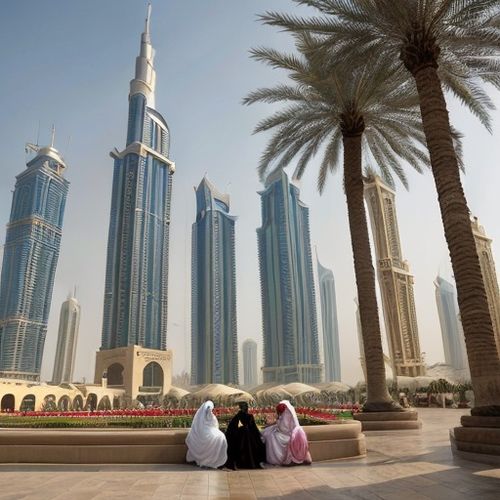
In the heart of the Middle East, Dubai has emerged as a cosmopolitan hub where cultures converge, and love knows no borders. The city's unique blend of tradition and modernity has made it a fascinating ground for transnational marriages. With expatriates making up nearly 90% of its population, Dubai’s social fabric is woven with stories of couples who have crossed continents to build lives together. The rise of cross-cultural unions here reflects not just personal choices but also the city’s evolving identity as a global melting pot.
The allure of Dubai as a setting for international marriages lies in its unparalleled diversity. Professionals from over 200 nationalities work and reside in the emirate, creating countless opportunities for serendipitous encounters. From corporate boardrooms to art galleries, the city provides fertile ground for relationships that transcend cultural boundaries. Unlike more homogeneous societies where mixed marriages might raise eyebrows, Dubai’s social norms have grown increasingly accepting of such unions, provided they respect local customs and Islamic laws governing matrimony.
Legal frameworks for cross-border marriages in Dubai present both challenges and streamlined processes. While Muslim men may marry non-Muslim women of Abrahamic faiths with relative ease, Muslim women face restrictions in marrying outside their faith. Non-Muslim expatriates typically opt for civil ceremonies at their respective consulates or abroad, though recent legal reforms have introduced more flexibility. The emirate’s courts have also seen a surge in prenuptial agreements that address complex issues like asset division and child custody across jurisdictions—a testament to the practical considerations underlying these romantic ventures.
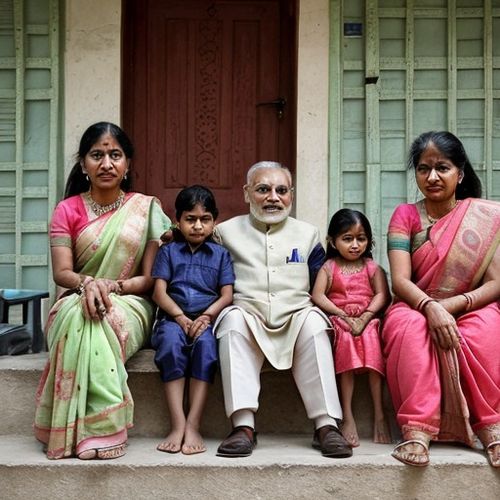
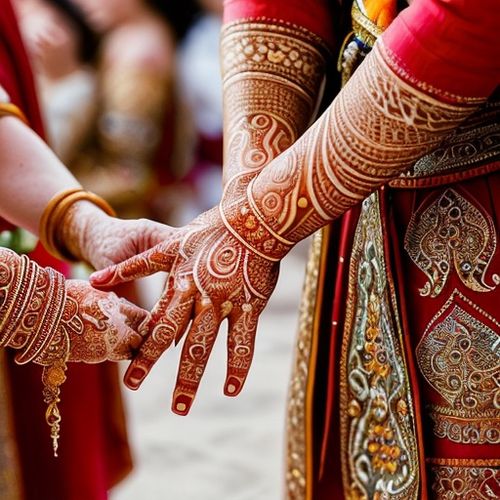
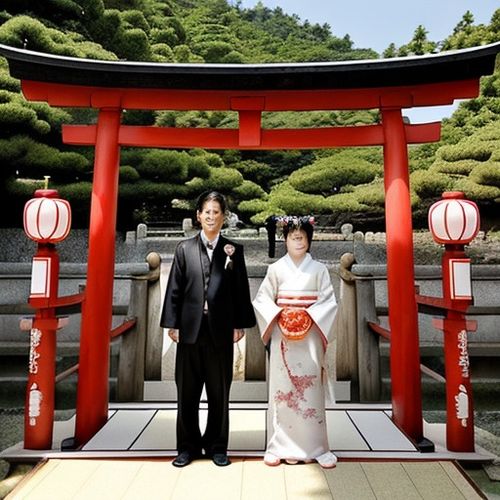
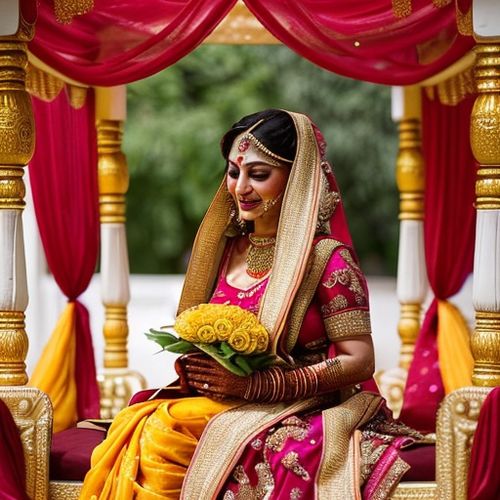
Cultural negotiation becomes an art form in Dubai’s transnational households. Dinner tables might feature Emirati machboos alongside Filipino adobo, while children grow up fluent in three languages and familiar with multiple religious traditions. Successful couples often speak of creating hybrid traditions—celebrating both Diwali and Christmas, or blending wedding customs from different cultures into unique ceremonies. These micro-level cultural fusions mirror Dubai’s own approach to globalization, where selective adaptation allows for coexistence without complete assimilation.
The role of technology in facilitating cross-cultural marriages cannot be overstated. Dating apps with translation features, expatriate forums, and even specialized matchmaking services have capitalized on Dubai’s demographic peculiarities. Some entrepreneurial matchmakers now offer "cultural compatibility assessments" alongside traditional matchmaking, helping navigate potential pitfalls in mixed-faith or mixed-culture partnerships. Meanwhile, social media keeps families connected across continents, making transnational relationships more sustainable than ever before.
Economic factors subtly influence the dynamics of these unions. With Dubai’s high cost of living, dual-income households often become necessities rather than choices. Career-driven partners from different nations frequently grapple with questions of whose job takes precedence during international relocations. The city’s transient nature also means many couples must eventually decide whether to put down permanent roots in Dubai, return to one partner’s homeland, or seek third-country alternatives—decisions that test the resilience of their cross-cultural bonds.
Children of these marriages grow up as true global citizens, yet face unique identity challenges. Schools in Dubai report increasing numbers of students with mixed heritage, prompting curricula adaptations that celebrate multicultural backgrounds. Psychologists note these children often develop exceptional cultural agility but may struggle with questions of belonging during adolescence. Parenting approaches that successfully blend disciplinary styles and educational expectations from different cultures become crucial in such households.
As Dubai positions itself as a global leader in the 21st century, its transnational marriages offer a microcosm of the cultural negotiations defining our interconnected world. These unions represent more than personal love stories—they’re living experiments in coexistence, compromise, and the creation of new cultural syntheses. The challenges these couples face mirror larger societal questions about preserving traditions while embracing globalization, making Dubai an unexpected laboratory for the future of human relationships across borders.

By Grace Cox/Apr 19, 2025
By Sarah Davis/Apr 19, 2025

By Noah Bell/Apr 19, 2025
By Victoria Gonzalez/Apr 19, 2025

By Daniel Scott/Apr 19, 2025

By Elizabeth Taylor/Apr 19, 2025
By David Anderson/Apr 19, 2025
By Benjamin Evans/Apr 19, 2025
By John Smith/Apr 19, 2025
By Christopher Harris/Apr 19, 2025
By James Moore/Apr 19, 2025
By Amanda Phillips/Apr 19, 2025

By Thomas Roberts/Apr 19, 2025
By Amanda Phillips/Apr 19, 2025
By Elizabeth Taylor/Apr 19, 2025
By David Anderson/Apr 19, 2025
By Daniel Scott/Apr 19, 2025
By James Moore/Apr 19, 2025
By Daniel Scott/Apr 19, 2025

By Olivia Reed/Apr 19, 2025