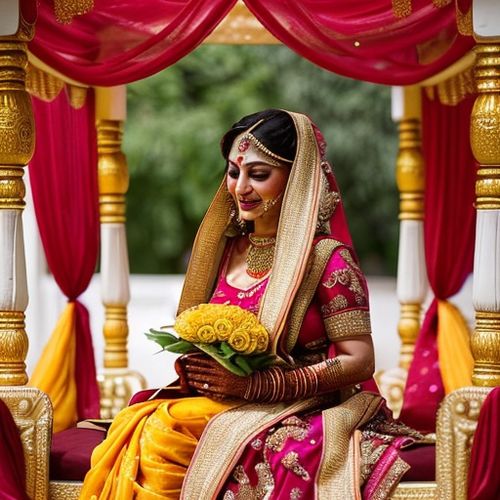
The vibrant hues of an Indian wedding are far more than mere decorative choices—they represent a complex tapestry of cultural symbolism, regional traditions, and spiritual significance. From the fiery reds of a Bengali bride’s saree to the golden yellows adorning a Punjabi groom’s turban, every shade tells a story. These colors don’t just beautify the ceremony; they breathe life into rituals that have been passed down through generations, each hue carefully selected to invoke blessings, prosperity, and joy.
In India, weddings are not just events but grand spectacles of color. The palette varies dramatically across regions, reflecting the country’s staggering diversity. A South Indian wedding, for instance, often leans toward deep greens and golds, symbolizing fertility and opulence. Meanwhile, Rajasthani celebrations explode with hot pinks and oranges, mirroring the desert landscape’s vivid sunsets. The interplay of these shades isn’t arbitrary—it’s a visual language that speaks to familial heritage, societal values, and even astrological alignments.
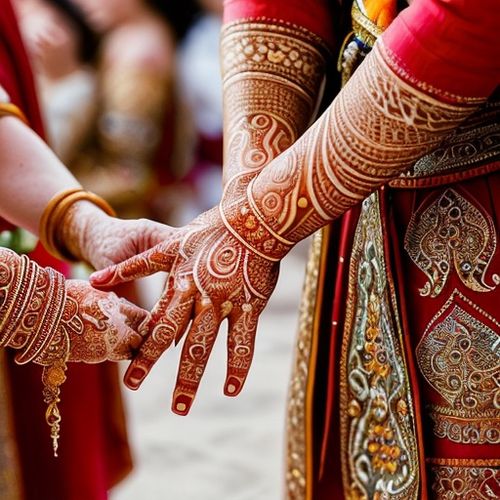
Red, arguably the most iconic wedding color, dominates many ceremonies. It’s the color of passion, commitment, and the divine feminine. A Bengali bride’s crimson and white shakha-pola bangles or a Maharashtrian woman’s paithani saree aren’t just fashion statements; they’re talismans against evil and markers of marital bliss. In contrast, green, often woven into bridal jewelry or mehndi designs, represents renewal and the natural world—a nod to the cyclical nature of life and growth within marriage.
Modern Indian weddings have begun experimenting with unconventional shades like pastel blues and lavenders, but even these choices carry weight. A shift toward softer tones reflects changing attitudes—where once bold colors signaled prosperity (to ward off the "evil eye" of envy), today’s couples might prioritize personal expression. Yet, tradition persists. Many families still insist on a splash of turmeric yellow during the haldi ceremony, believing its antiseptic properties and solar associations purify the couple before their new life together.
The groom’s attire, often overlooked in Western narratives, is equally chromatic. A Sikh groom’s sehra might drip with marigold strands, while a Tamilian’s veshti could feature electric blue borders. These choices aren’t merely aesthetic; they anchor the groom in his cultural identity while balancing the bride’s ensemble. The result is a visual harmony where no single hue overpowers—instead, they converse, much like the marital partnership they inaugurate.
Beyond fabrics, color manifests in edible forms. The towering meethai displays in silver trays—saffron-infused laddoos, emerald pista barfis—are edible jewels that guests "ooh" over before tasting. Even the turmeric paste applied during pre-wedding rituals becomes a chromatic spectacle, staining hands and clothes in sunny streaks that linger for days as happy stains of participation.
Perhaps what’s most striking is how these colors transcend religious boundaries. A Muslim nikah might feature the same vermillion alta designs on the bride’s feet as a Hindu ceremony, while Christian brides in Kerala often pair ivory gowns with ruby-red accessories. This chromatic democracy reveals how color, in the Indian context, operates as a unifying force—a shared vocabulary in a land of countless dialects.
As globalization influences wedding trends, some fear the erosion of these color traditions. Yet, the resilience of hues like red and gold suggests otherwise. Contemporary brides might opt for a champagne lehenga instead of scarlet, but they’ll still drape a red dupatta during vows. It’s this negotiation between old and new that keeps the tradition alive—not frozen in time, but evolving like the finest patola silk, its colors deepening with each generation’s touch.
The next time you see photographs of an Indian wedding, look beyond the glitter. Notice how the colors map onto ancient agricultural calendars (spring weddings bursting with floral hues), how they mirror temple art (the same peacock blues found in Thanjavur paintings), or how they quietly subvert gender norms (grooms in pink sherwanis). These aren’t just pretty shades—they’re the living pigments of a culture that has, for millennia, understood color as emotion made visible.

By Grace Cox/Apr 19, 2025
By Sarah Davis/Apr 19, 2025

By Noah Bell/Apr 19, 2025
By Victoria Gonzalez/Apr 19, 2025
By Daniel Scott/Apr 19, 2025

By Elizabeth Taylor/Apr 19, 2025
By David Anderson/Apr 19, 2025
By Benjamin Evans/Apr 19, 2025
By John Smith/Apr 19, 2025
By Christopher Harris/Apr 19, 2025
By James Moore/Apr 19, 2025
By Amanda Phillips/Apr 19, 2025
By Thomas Roberts/Apr 19, 2025
By Amanda Phillips/Apr 19, 2025
By Elizabeth Taylor/Apr 19, 2025
By David Anderson/Apr 19, 2025
By Daniel Scott/Apr 19, 2025

By James Moore/Apr 19, 2025
By Daniel Scott/Apr 19, 2025

By Olivia Reed/Apr 19, 2025