Polish Bread Salting Ritual

Apr 19, 2025 By John Smith

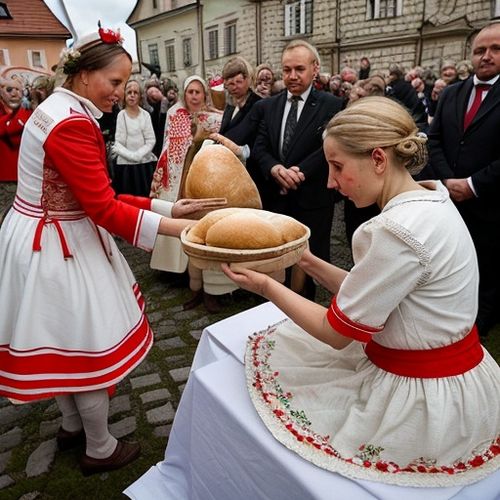
The Polish bread and salt ceremony, known as "chleb i sól" in the native tongue, is one of the most enduring and symbolic traditions in Poland. Rooted deeply in the country’s history and culture, this ritual transcends mere hospitality, embodying values of generosity, respect, and communal bonds. For centuries, it has been a cornerstone of Polish social customs, marking significant life events, from weddings to diplomatic receptions. To understand this tradition is to glimpse the soul of Poland itself—a nation where bread and salt are far more than sustenance.


At its core, the ceremony is disarmingly simple yet profoundly meaningful. A host presents a guest with a loaf of bread, often placed on a decorative cloth or tray, alongside a small dish of salt. The bread, typically a round rye loaf, represents prosperity and the fruits of labor, while the salt symbolizes purification, longevity, and the preservation of friendship. The guest is expected to break off a piece of the bread, dip it lightly in the salt, and consume it. This act seals a bond between host and guest, affirming mutual goodwill and trust.


The origins of this ritual stretch back to Poland’s medieval past, a time when bread was a sacred staple and salt a precious commodity. In agrarian societies, offering these items to a visitor was the highest form of welcome, a gesture that acknowledged shared humanity in the face of life’s hardships. Historical records suggest that Slavic tribes practiced similar customs long before the establishment of the Polish state. Over time, the tradition became codified, finding its way into royal courts and peasant homes alike. Even during periods of foreign occupation and political turmoil, the bread and salt ceremony endured as a defiant assertion of Polish identity.


One cannot overstate the role of bread in Polish culture. Unlike the fluffy, mass-produced loaves common in many Western countries, traditional Polish bread is dense, dark, and richly flavored, often baked with sourdough starters passed down through generations. Rye and wheat varieties dominate, each region boasting its own subtle variations. The act of baking bread was—and in some households, still is—a near-sacred ritual, with prayers sometimes whispered over the dough. To offer such bread to a guest is to share not just food, but a piece of one’s heritage.


Salt, though now ubiquitous, once held immense value as a preservative and currency. In old Poland, it was traded ounce for ounce with gold in some regions. Its inclusion in the ceremony speaks to the host’s willingness to give something precious. Symbolically, salt wards off evil and cements promises, a belief echoed in phrases like "to earn one’s salt" or "the salt of the earth." Together, bread and salt form a microcosm of Polish values: hard work, resilience, and the importance of community.


Modern interpretations of the ceremony have adapted to contemporary life without losing its essence. At Polish weddings, newlyweds are often greeted by their parents with bread and salt upon returning from the church, a blessing for a prosperous and harmonious life. Diplomats visiting Poland might receive the gesture as a sign of national welcome. Even in urban apartments, where time-honored customs sometimes fade, many Poles keep the tradition alive during family gatherings or when introducing a fiancé to relatives for the first time.


What makes the bread and salt ritual remarkable is its universality within Poland’s borders. Whether in the bustling streets of Warsaw, the rustic villages of Podhale, or the diaspora communities in Chicago or London, the ceremony remains a cultural touchstone. It bridges generations, linking Poles to their ancestors while adapting seamlessly to the present. In a world increasingly dominated by fleeting digital interactions, the tangible, sensory nature of breaking bread together feels almost revolutionary.


To witness or participate in this ritual is to experience a living fragment of history. The weight of the loaf in one’s hands, the sharp tang of salt on the tongue—these sensations connect individuals across time. The ceremony requires no elaborate speeches or grand settings; its power lies in its simplicity. For Poles, it is a reminder of who they are and what they hold dear. For outsiders, it offers a window into a culture that treasures warmth, sincerity, and the enduring bonds of shared humanity.


In an era where traditions often dissolve under the pressures of modernity, Poland’s bread and salt ceremony stands resilient. It is not performed for tourists or reduced to a quaint relic; it lives in homes, at celebrations, and in quiet moments of connection. To receive bread and salt is to be welcomed into the Polish heart, if only for a moment. And in that moment, centuries of history, struggle, and joy are made palpable—one broken piece of bread at a time.


Recommend Posts
Relationships

Scandinavian Style Independent Bedroom Design

By Grace Cox/Apr 19, 2025

The Nordic approach to bedroom design has captivated interior enthusiasts worldwide with its unique blend of minimalism, functionality, and warmth. Unlike other design movements that prioritize opulence or trend-driven aesthetics, Scandinavian bedroom philosophy centers on creating personal sanctuaries that balance clean lines with organic textures and thoughtful details.
Relationships

Joint Family System in India

By Sarah Davis/Apr 19, 2025

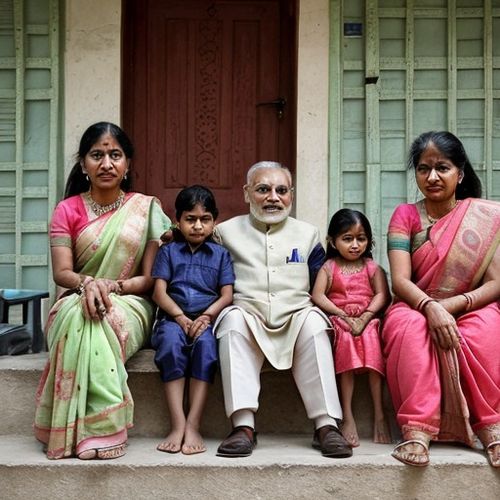
The concept of the joint family system has been deeply ingrained in Indian society for centuries, serving as both a social structure and an economic unit. Unlike the nuclear family model prevalent in Western societies, Indian joint families typically comprise three or more generations living together under one roof, sharing resources, responsibilities, and emotional bonds. This system has historically provided economic security, emotional support, and a sense of belonging, though it is not without its challenges in the modern era.
Relationships

South Korean Newlywed Apartments

By Noah Bell/Apr 19, 2025

In recent years, the concept of newlywed apartments in South Korea has gained significant attention as young couples navigate the challenges of urban living. These specialized housing options cater specifically to newly married couples, offering a blend of affordability, convenience, and modern amenities tailored to their unique needs. The rise of such apartments reflects broader societal shifts, including delayed marriages, financial constraints, and changing preferences among younger generations.
Relationships

Germany's Multigenerational Households Reform

By Victoria Gonzalez/Apr 19, 2025

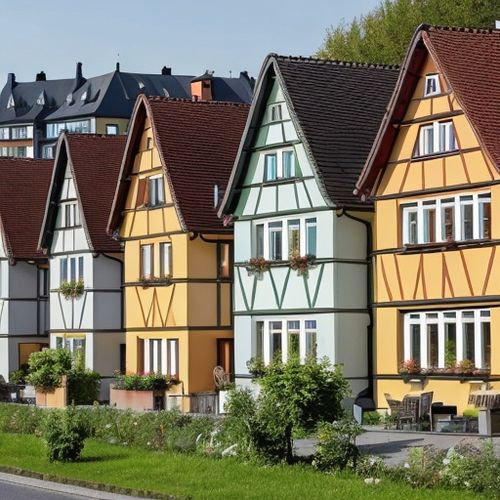
The concept of multigenerational living, long cherished in many Asian and Mediterranean cultures, is experiencing a quiet renaissance in Germany. While the stereotypical German household still conjures images of nuclear families in orderly suburban homes, a growing number of Germans are rediscovering the benefits—and challenges—of shared living across generations. This shift reflects deeper societal changes, from aging populations to rising housing costs, that are reshaping how Germans think about home, family, and community.
Relationships

Commuter Marriage Housing in Japan

By Daniel Scott/Apr 19, 2025

In recent years, a growing number of Japanese couples have been embracing an unconventional living arrangement known as "别居婚" (bekkyo-kon), or "living-apart marriage." This trend reflects shifting attitudes toward relationships, personal space, and the traditional expectations of married life in Japan. Unlike the Western concept of "living apart together," which often involves unmarried partners, bekkyo-kon specifically refers to married couples who intentionally maintain separate residences while remaining emotionally committed.
Relationships

Twin Cities Marriage Connection in the USA"

By Elizabeth Taylor/Apr 19, 2025

The concept of twin city marriages in the United States has emerged as a fascinating social phenomenon that reflects both the mobility of modern Americans and the enduring power of regional connections. These unions, where partners hail from different but similarly sized or culturally linked cities, create unique dynamics that differ from both same-city marriages and those where partners come from dramatically different backgrounds.
Relationships

Hawaiian Lei Oath

By David Anderson/Apr 19, 2025

The Hawaiian lei, a symbol of aloha, carries profound cultural significance that transcends its simple appearance as a floral garland. Worn around the neck or presented as a gesture of welcome, love, or respect, the lei is deeply embedded in the traditions and daily life of Hawaii. Its origins trace back to the early Polynesian settlers who brought with them the custom of adorning themselves with natural elements from their surroundings. Over centuries, the lei evolved into a cherished emblem of Hawaiian identity, embodying the spirit of the islands and their people.
Relationships

Turkish Bride Hand-Drawing

By Benjamin Evans/Apr 19, 2025

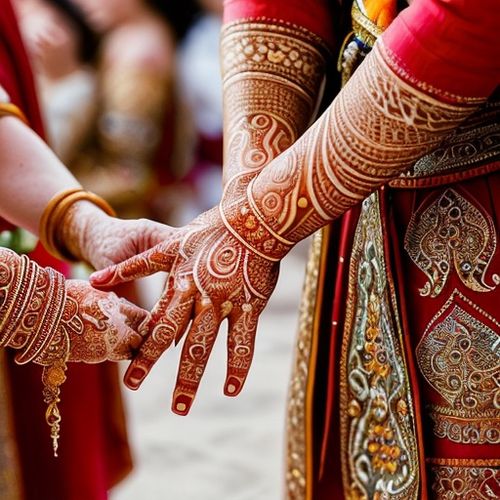
The tradition of bridal hand-painting in Turkey is a mesmerizing blend of artistry, culture, and symbolism. Known as "henna night" or "kına gecesi," this pre-wedding ritual is deeply rooted in Turkish heritage, particularly in rural and traditional communities. The intricate designs adorning the bride’s hands and feet are not merely decorative; they carry profound meanings, often reflecting themes of love, fertility, and protection. The ceremony itself is a vibrant celebration, filled with music, dance, and heartfelt emotions, marking the bride’s transition into married life.
Relationships

Polish Bread Salting Ritual

By John Smith/Apr 19, 2025

The Polish bread and salt ceremony, known as "chleb i sól" in the native tongue, is one of the most enduring and symbolic traditions in Poland. Rooted deeply in the country’s history and culture, this ritual transcends mere hospitality, embodying values of generosity, respect, and communal bonds. For centuries, it has been a cornerstone of Polish social customs, marking significant life events, from weddings to diplomatic receptions. To understand this tradition is to glimpse the soul of Poland itself—a nation where bread and salt are far more than sustenance.
Relationships

Scottish Black Tie

By Christopher Harris/Apr 19, 2025

The Scottish black tie, a sartorial emblem of elegance and tradition, stands as a testament to the enduring allure of formalwear. Rooted in the rich cultural tapestry of Scotland, this distinctive style of dress has evolved over centuries, blending the sophistication of British tailoring with the bold heritage of Highland dress. Unlike the conventional black tie attire found elsewhere, the Scottish interpretation introduces unique elements that reflect the nation’s history and identity, making it a fascinating subject for those who appreciate both fashion and cultural nuance.
Relationships

Thai Loi Krathong Festival for Courtship

By James Moore/Apr 19, 2025

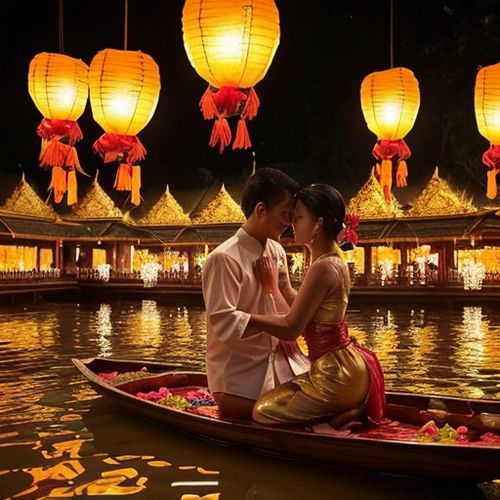
The Thai festival of Loy Krathong, with its mesmerizing floating lanterns and intricate water offerings, is more than just a visual spectacle. Beneath the shimmering lights and tranquil waters lies a cultural tapestry rich with tradition, romance, and the subtle art of courtship. For centuries, this festival has served as a backdrop for love stories, whispered promises, and the hopeful beginnings of new relationships. While modern dating apps and social media dominate the romantic landscape today, Loy Krathong remains a timeless stage where love is pursued in the most poetic and traditional ways.
Relationships

Mexican Day of the Dead Wedding

By Amanda Phillips/Apr 19, 2025

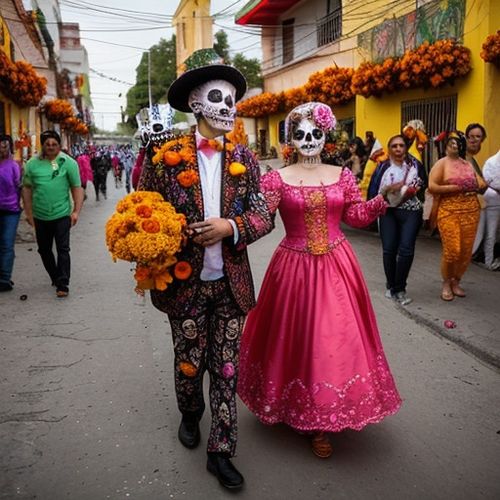
The vibrant streets of Mexico come alive each year with the intoxicating blend of marigold petals, flickering candles, and the rhythmic pulse of music during Día de los Muertos, the Day of the Dead. But in recent years, a fascinating new tradition has emerged—one that intertwines the celebration of life and death with the joyous union of marriage. The "Mexican Day of the Dead Wedding" is not just a ceremony; it’s a profound cultural experience that honors ancestry, love, and the cyclical nature of existence.
Relationships

African Bull Jumping Ceremony

By Thomas Roberts/Apr 19, 2025

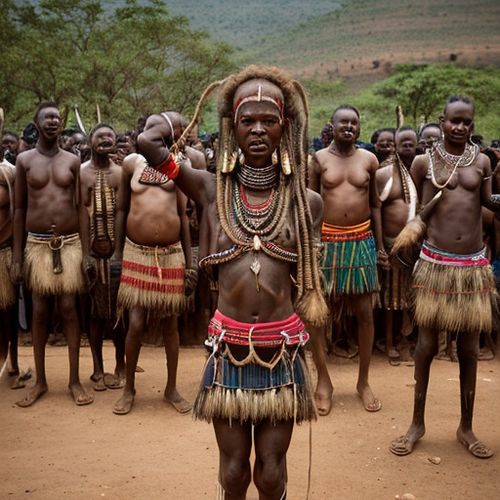
The Hamar people of Ethiopia’s Omo Valley have long practiced a rite of passage that is as breathtaking as it is brutal. The bull-jumping ceremony, a cornerstone of Hamar culture, marks the transition of young boys into manhood. Unlike Western coming-of-age rituals, this tradition is visceral, demanding both physical prowess and mental fortitude. The ceremony is not merely a test but a communal event that binds the tribe together, weaving a tapestry of sacrifice, endurance, and celebration.
Relationships

Japanese Shinzen Wedding Ceremony

By Amanda Phillips/Apr 19, 2025

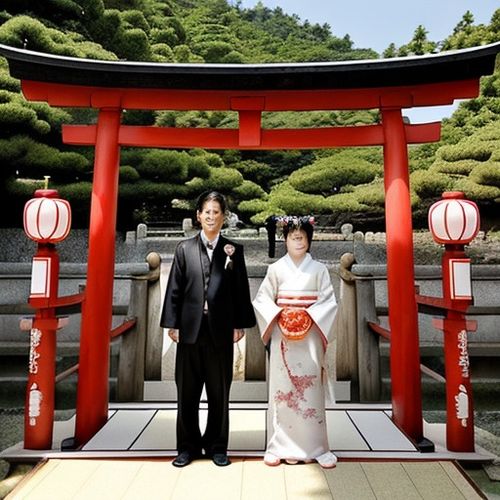
The Japanese Shinto wedding ceremony, known as "Shinzen Shiki" or "Shinto-style wedding", is a deeply spiritual and culturally rich tradition that has captivated people worldwide. Rooted in ancient Shinto beliefs, this ceremonial union is more than just a marriage ritual—it's a sacred bond between two individuals, their families, and the divine. Unlike Western weddings, which often emphasize personal vows and elaborate receptions, the Shinto wedding is a solemn, ritualistic affair steeped in symbolism and reverence for nature.
Relationships

Jewish Marriage Contract Terms

By Elizabeth Taylor/Apr 19, 2025

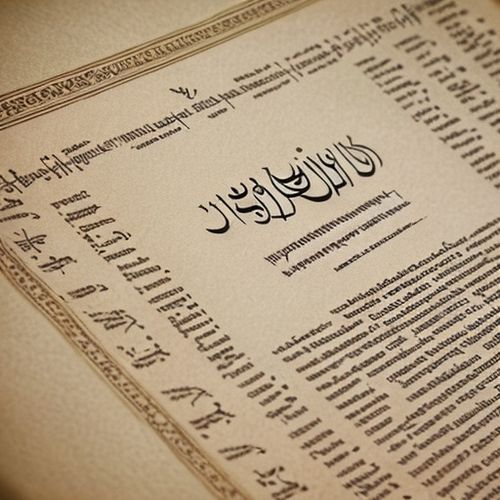
The Jewish wedding contract, known as the ketubah, is one of the most ancient and meaningful documents in Jewish tradition. Unlike modern marriage certificates, which often serve as simple legal records, the ketubah embodies spiritual, emotional, and contractual dimensions that have been carefully preserved for millennia. Its origins trace back to Talmudic times, and its text has evolved across Jewish communities while maintaining core principles that reflect the sanctity and responsibilities of marriage.
Relationships

The Color Symbolism in Indian Weddings

By David Anderson/Apr 19, 2025

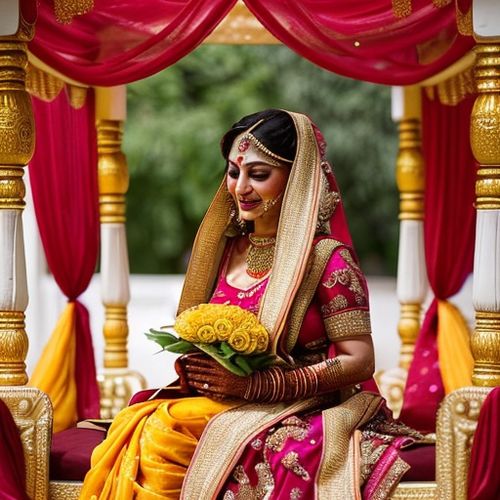
The vibrant hues of an Indian wedding are far more than mere decorative choices—they represent a complex tapestry of cultural symbolism, regional traditions, and spiritual significance. From the fiery reds of a Bengali bride’s saree to the golden yellows adorning a Punjabi groom’s turban, every shade tells a story. These colors don’t just beautify the ceremony; they breathe life into rituals that have been passed down through generations, each hue carefully selected to invoke blessings, prosperity, and joy.
Relationships

Dubai Transnational Marriage Arbitration

By Daniel Scott/Apr 19, 2025

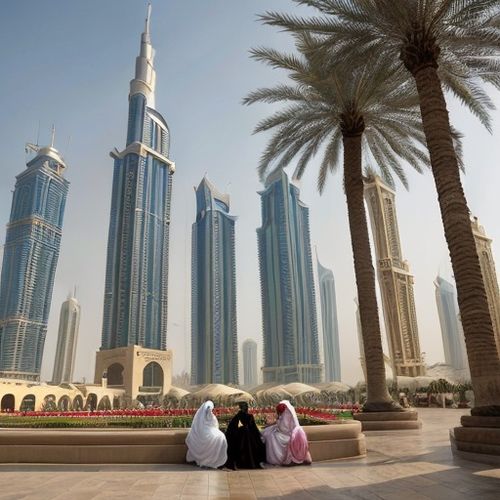
In the heart of the Middle East, Dubai has emerged as a cosmopolitan hub where cultures converge, and love knows no borders. The city's unique blend of tradition and modernity has made it a fascinating ground for transnational marriages. With expatriates making up nearly 90% of its population, Dubai’s social fabric is woven with stories of couples who have crossed continents to build lives together. The rise of cross-cultural unions here reflects not just personal choices but also the city’s evolving identity as a global melting pot.
Relationships

South African Traditional Reconciliation Council

By James Moore/Apr 19, 2025

The South African Truth and Reconciliation Commission (TRC) remains one of the most ambitious and controversial attempts to address historical injustices in the post-colonial era. Established in 1995 after the fall of apartheid, the TRC was not merely a judicial body but a profound social experiment aimed at healing a fractured nation. Unlike traditional tribunals focused solely on punishment, the TRC sought to uncover the truth, facilitate reconciliation, and lay the groundwork for a unified South Africa. Its legacy continues to spark debate among historians, policymakers, and survivors of apartheid-era violence.
Relationships

Brazilian Religious Mediation Group

By Daniel Scott/Apr 19, 2025

In a nation where religious diversity has often been a source of both cultural richness and occasional tension, Brazil's interfaith mediation groups have emerged as quiet but powerful forces for social cohesion. These grassroots movements, often operating beneath the radar of international media, bring together Catholic priests, evangelical pastors, Afro-Brazilian spiritual leaders, and representatives from smaller faith communities to address conflicts that frequently intersect with religious differences.
Relationships

South Korea's Electronic Surveillance Order

By Olivia Reed/Apr 19, 2025

In recent years, South Korea has intensified its use of electronic monitoring as a tool for law enforcement and criminal justice. The country's electronic monitoring orders, primarily targeting sex offenders, violent criminals, and repeat offenders, have sparked debates about their effectiveness, ethical implications, and potential overreach. As technology advances, so does the government's ability to track individuals, raising critical questions about where to draw the line between public safety and personal freedom.