The tradition of bridal hand-painting in Turkey is a mesmerizing blend of artistry, culture, and symbolism. Known as "henna night" or "kına gecesi," this pre-wedding ritual is deeply rooted in Turkish heritage, particularly in rural and traditional communities. The intricate designs adorning the bride’s hands and feet are not merely decorative; they carry profound meanings, often reflecting themes of love, fertility, and protection. The ceremony itself is a vibrant celebration, filled with music, dance, and heartfelt emotions, marking the bride’s transition into married life.
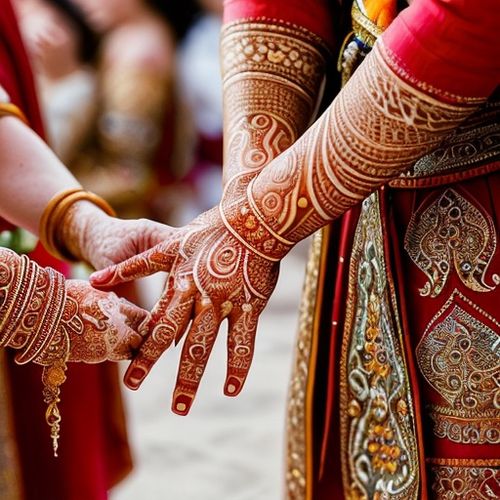
Henna, a natural dye derived from the Lawsonia inermis plant, has been used for centuries in various cultures for its cooling properties and symbolic significance. In Turkey, the application of henna is a sacred act, often performed by elder women or skilled artists. The designs range from delicate floral patterns to elaborate geometric motifs, each chosen with care to convey specific blessings. The bride’s hands are transformed into a canvas of storytelling, where every curve and dot whispers a wish for her future.
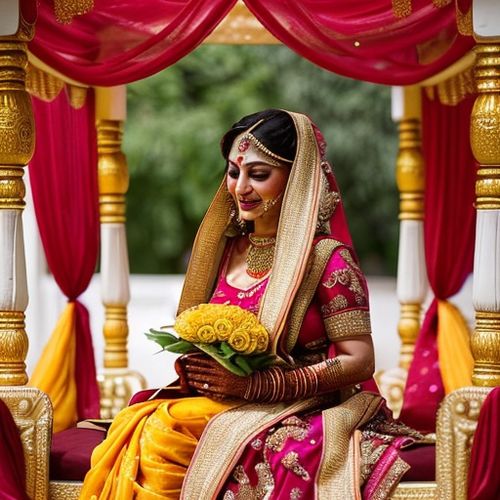
The henna night typically takes place a day or two before the wedding, often at the bride’s family home. It is an intimate gathering, attended by close female relatives and friends. The atmosphere is charged with emotion, as the bride is adorned in a richly embroidered dress, her hair styled meticulously for the occasion. The application of henna is accompanied by traditional songs and laments, some of which date back generations. These songs, known as "kına türküleri," often speak of separation, love, and the bittersweet nature of leaving one’s family.
One of the most poignant moments of the evening is when the bride’s hands are covered with henna paste, and a gold coin is placed in her palm. This gesture symbolizes prosperity and is believed to bring good fortune to the couple. The bride’s hands are then wrapped in cloth or adorned with decorative gloves to allow the dye to set. As the night unfolds, guests take turns applying small amounts of henna to their own hands, sharing in the joy and blessings of the occasion.
The symbolism of henna extends beyond aesthetics. In Turkish culture, the color red—imbued in the henna dye—represents vitality, passion, and protection against the evil eye. The darker the henna stains, the stronger the bond between the bride and groom is believed to be. This belief underscores the importance of the ritual, as families invest time and care into ensuring the designs are perfect. The bride’s henna is also thought to bring fertility, a wish for a fruitful marriage and healthy children.
While the tradition is most prominent in rural areas, urban Turkish weddings have also embraced henna nights, albeit with modern twists. Contemporary brides may opt for simpler designs or incorporate personal elements into their henna, such as initials or wedding dates. Despite these adaptations, the essence of the ritual remains unchanged—a celebration of love, heritage, and the enduring power of tradition. The henna night is a testament to the resilience of cultural practices, even in an increasingly globalized world.
The artistry of Turkish bridal henna is not confined to weddings alone. It has gained international recognition, with henna artists showcasing their skills at cultural festivals and exhibitions. Social media has further amplified its appeal, with intricate designs going viral and inspiring brides worldwide. Yet, for many Turkish women, the henna night is a deeply personal experience, a moment of reflection and connection with their roots.
In recent years, there has been a resurgence of interest in traditional crafts, including henna art. Workshops and classes are now offered in major cities, teaching the next generation the techniques and meanings behind these ancient designs. This revival speaks to a broader movement of cultural preservation, where young Turks are reclaiming their heritage with pride. The henna night, once seen as a relic of the past, is now celebrated as a living tradition, adaptable yet timeless.
The future of Turkish bridal hand-painting looks bright, as more couples seek to honor their ancestry while making the ritual their own. Whether through elaborate ceremonies or intimate gatherings, the henna night continues to weave its magic, binding generations together in a shared tapestry of love and tradition. For the bride, the fading henna stains on her hands serve as a gentle reminder of the night she was celebrated, blessed, and welcomed into a new chapter of life.

By Grace Cox/Apr 19, 2025
By Sarah Davis/Apr 19, 2025

By Noah Bell/Apr 19, 2025

By Victoria Gonzalez/Apr 19, 2025

By Daniel Scott/Apr 19, 2025

By Elizabeth Taylor/Apr 19, 2025
By David Anderson/Apr 19, 2025
By Benjamin Evans/Apr 19, 2025
By John Smith/Apr 19, 2025

By Christopher Harris/Apr 19, 2025
By James Moore/Apr 19, 2025
By Amanda Phillips/Apr 19, 2025

By Thomas Roberts/Apr 19, 2025
By Amanda Phillips/Apr 19, 2025
By Elizabeth Taylor/Apr 19, 2025
By David Anderson/Apr 19, 2025

By Daniel Scott/Apr 19, 2025

By James Moore/Apr 19, 2025
By Daniel Scott/Apr 19, 2025

By Olivia Reed/Apr 19, 2025