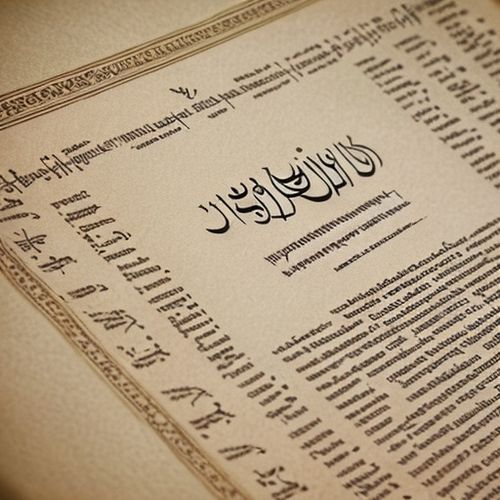
The Jewish wedding contract, known as the ketubah, is one of the most ancient and meaningful documents in Jewish tradition. Unlike modern marriage certificates, which often serve as simple legal records, the ketubah embodies spiritual, emotional, and contractual dimensions that have been carefully preserved for millennia. Its origins trace back to Talmudic times, and its text has evolved across Jewish communities while maintaining core principles that reflect the sanctity and responsibilities of marriage.
At its heart, the ketubah is a binding agreement that outlines the husband's obligations to his wife. Written in Aramaic, the vernacular of Jews in ancient times, it specifies the financial and emotional support a groom pledges to his bride. This includes provisions for her well-being, inheritance rights, and the sum due to her in case of divorce or widowhood. Far from being a dry legal formality, the ketubah serves as a tangible expression of commitment, ensuring that the wife's rights are protected in a society where such safeguards were revolutionary.
The artistry of the ketubah is as significant as its text. Over the centuries, Jewish communities from Europe to the Middle East developed distinct styles of illumination, turning these documents into stunning works of calligraphy and design. Italian ketubot might feature intricate floral motifs, while those from Persia often included geometric patterns and vibrant colors. In contemporary times, many couples commission personalized ketubot that blend traditional elements with modern aesthetics, making each one a unique reflection of their relationship.
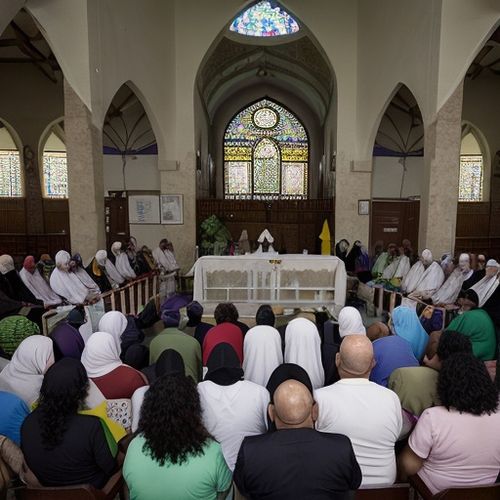
Signing the ketubah is a central moment in the Jewish wedding ceremony, typically taking place before the chuppah (wedding canopy). In the presence of witnesses, the groom accepts the terms of the contract, which is then read aloud to the assembled guests. This public declaration underscores the seriousness of the marital covenant—not just between the couple, but before their community and faith. The reading often bridges the legal and spiritual aspects of the wedding, transitioning the celebration from contractual obligations to the emotional union under the chuppah.
Modern interpretations of the ketubah have expanded its scope to address egalitarian values. While traditional Orthodox ketubot follow ancient formulations, liberal Jewish movements have created versions where mutual responsibilities are articulated, and gender-neutral language is used. Some couples even write their own ketubah texts, incorporating personal vows alongside traditional legal phrases. This adaptability demonstrates how the ketubah remains relevant—a living document that honors its historical roots while embracing contemporary ideals of partnership.
Beyond its role in weddings, the ketubah has become a cultural symbol of Jewish identity. Museums display historic ketubot as artifacts of social history, revealing patterns of migration, artistic influence, and communal values. For many Jewish families, preserving their ancestors' ketubot is a way to maintain a tangible link to past generations. The document's endurance—through persecution, diaspora, and modernity—speaks to its profound resonance in Jewish life, far exceeding its original function as a marital contract.
In an age where marriage is often viewed through temporary or sentimental lenses, the ketubah's enduring presence offers a counterpoint. It demands thoughtful consideration of marriage's practical and ethical dimensions while celebrating its beauty. Whether adorned with medieval-style illuminations or minimalist modern designs, every ketubah carries forward a tradition that has sanctified Jewish unions for over two thousand years—not merely as a legal requirement, but as a poetic testament to love's promises.

By Grace Cox/Apr 19, 2025

By Sarah Davis/Apr 19, 2025

By Noah Bell/Apr 19, 2025

By Victoria Gonzalez/Apr 19, 2025

By Daniel Scott/Apr 19, 2025

By Elizabeth Taylor/Apr 19, 2025

By David Anderson/Apr 19, 2025
By Benjamin Evans/Apr 19, 2025
By John Smith/Apr 19, 2025

By Christopher Harris/Apr 19, 2025

By James Moore/Apr 19, 2025

By Amanda Phillips/Apr 19, 2025

By Thomas Roberts/Apr 19, 2025

By Amanda Phillips/Apr 19, 2025
By Elizabeth Taylor/Apr 19, 2025

By David Anderson/Apr 19, 2025

By Daniel Scott/Apr 19, 2025
By James Moore/Apr 19, 2025
By Daniel Scott/Apr 19, 2025

By Olivia Reed/Apr 19, 2025