The Nordic approach to bedroom design has captivated interior enthusiasts worldwide with its unique blend of minimalism, functionality, and warmth. Unlike other design movements that prioritize opulence or trend-driven aesthetics, Scandinavian bedroom philosophy centers on creating personal sanctuaries that balance clean lines with organic textures and thoughtful details.
At the heart of Nordic independent bedroom design lies the concept of hygge - that untranslatable Danish word encompassing coziness, comfort, and contentment. This isn't achieved through clutter or excessive decoration, but rather through careful curation of elements that serve both practical and emotional needs. The typical Scandinavian bedroom feels like a retreat from the world while maintaining an airy, uncluttered presence.
Light plays a pivotal role in these serene spaces. Given the long winters and limited daylight in Nordic countries, bedrooms are designed to maximize natural light during daytime hours. Sheer curtains replace heavy drapes, while strategically placed mirrors amplify available illumination. The artificial lighting scheme typically layers different sources - overhead fixtures for general lighting, bedside lamps for reading, and subtle accent lighting to create ambiance.
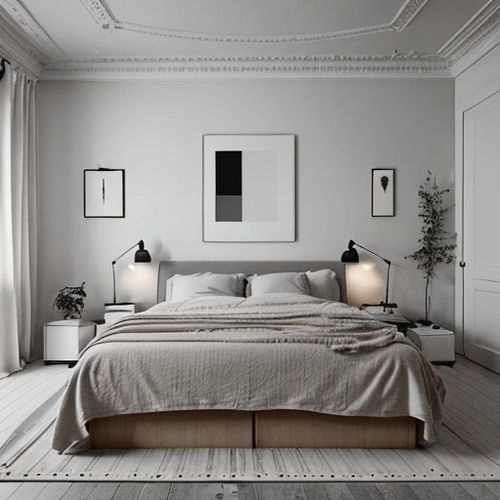
The color palette follows nature's lead, with soft whites, warm grays, and muted earth tones forming the foundation. These neutral backdrops allow for flexibility in accent colors, which often appear in subtle ways - perhaps through a single throw pillow, a small artwork, or the natural hue of wood elements. Unlike the stark white boxes sometimes associated with minimalism, Nordic bedrooms incorporate enough texture and variation to feel inviting rather than clinical.
Furniture selection adheres to the principle of less but better. Each piece serves a clear purpose while contributing to the overall aesthetic. Platform beds with clean lines dominate, often in light wood tones or painted white. Storage solutions are integrated seamlessly - under-bed drawers, built-in wardrobes, or multi-functional furniture pieces that eliminate the need for excess furnishings. The result is a space that feels generous and breathable regardless of its actual square footage.
Textiles introduce warmth and softness to balance the clean-lined architecture. Layered bedding typically combines crisp white sheets with chunky knit throws or faux fur blankets in winter months. Area rugs define sleeping zones while adding texture underfoot - wool and other natural fibers are preferred for their tactile qualities and sustainability. These fabric elements are frequently rotated seasonally, allowing the room to evolve subtly with changing weather.
Nordic bedrooms often incorporate organic materials that connect inhabitants to nature. Unfinished wood surfaces, stone accents, and woven elements bring raw textures into the space. Live plants serve as natural air purifiers and add vibrant green touches against neutral backdrops. Even the artwork tends toward nature-inspired themes - simple botanical prints, landscape photography, or abstract interpretations of natural forms.
Personalization occurs through carefully selected objects rather than overwhelming collections. A single vintage chair in the corner, a handful of meaningful books on the nightstand, or a small grouping of family photos in matching frames - each item earns its place through both aesthetic merit and emotional significance. This editing process creates rooms that feel distinctly personal without appearing cluttered.
The concept of independence in Nordic bedroom design extends beyond mere aesthetics. These spaces are deliberately crafted to support restful sleep and morning routines. Blackout solutions are often discreetly incorporated for summer months when midnight sun prevails. Thoughtful placement of furniture creates intuitive pathways and eliminates morning congestion. Charging stations are concealed but accessible, and morning tea or coffee setups might occupy a small corner to establish comforting rituals.
Sustainability isn't an afterthought but a fundamental principle. From organic cotton bedding to VOC-free paints, materials are chosen for their environmental credentials as well as their sensory qualities. Many Nordic designers favor vintage or heirloom pieces that tell stories while reducing consumption. This eco-conscious approach results in bedrooms that feel ethically grounded as well as visually harmonious.
What truly sets Nordic independent bedrooms apart is their emotional intelligence. Every design decision considers how the space will make its occupant feel - protected but not isolated, connected to nature but sheltered from the elements, surrounded by beauty but free from visual noise. It's this psychological dimension that transforms these rooms from mere sleeping quarters into genuine sanctuaries.
Contemporary interpretations of the style have introduced more flexibility with color and form while maintaining the essential philosophy. Darker accent walls might appear for dramatic effect, or bold geometric patterns might mix with traditional organic textures. The unifying thread remains the commitment to creating spaces that serve both practical needs and emotional wellbeing.
For urban dwellers especially, the Nordic independent bedroom offers a powerful antidote to chaotic modern life. In a world of constant stimulation, these carefully composed retreats provide something increasingly rare - a place to truly disconnect, breathe deeply, and recharge. The magic lies not in any single design element, but in how all components work together to create an atmosphere of calm self-sufficiency.
Implementing these principles doesn't require Scandinavian heritage or a particular architectural foundation. The approach translates across cultures and climates because it addresses universal human needs - for rest, for comfort, for a private space that reflects our best selves. This may explain why Nordic bedroom design continues to resonate globally, offering a timeless template for creating bedrooms that nurture both body and soul.
By Grace Cox/Apr 19, 2025

By Sarah Davis/Apr 19, 2025

By Noah Bell/Apr 19, 2025

By Victoria Gonzalez/Apr 19, 2025

By Daniel Scott/Apr 19, 2025

By Elizabeth Taylor/Apr 19, 2025

By David Anderson/Apr 19, 2025

By Benjamin Evans/Apr 19, 2025

By John Smith/Apr 19, 2025

By Christopher Harris/Apr 19, 2025

By James Moore/Apr 19, 2025

By Amanda Phillips/Apr 19, 2025

By Thomas Roberts/Apr 19, 2025

By Amanda Phillips/Apr 19, 2025

By Elizabeth Taylor/Apr 19, 2025

By David Anderson/Apr 19, 2025

By Daniel Scott/Apr 19, 2025

By James Moore/Apr 19, 2025

By Daniel Scott/Apr 19, 2025

By Olivia Reed/Apr 19, 2025