The vibrant streets of Mexico come alive each year with the intoxicating blend of marigold petals, flickering candles, and the rhythmic pulse of music during Día de los Muertos, the Day of the Dead. But in recent years, a fascinating new tradition has emerged—one that intertwines the celebration of life and death with the joyous union of marriage. The "Mexican Day of the Dead Wedding" is not just a ceremony; it’s a profound cultural experience that honors ancestry, love, and the cyclical nature of existence.
At first glance, the idea of holding a wedding during a holiday dedicated to the deceased might seem unconventional. Yet, for many Mexican couples, it’s a deeply symbolic act. The Day of the Dead is a time when the veil between the living and the dead is believed to be at its thinnest. Families build ofrendas (altars) adorned with photographs, favorite foods, and mementos of departed loved ones, inviting their spirits back for a brief reunion. Incorporating this sacred tradition into a wedding ceremony transforms the event into a bridge between generations, where the past and present coalesce in a celebration of eternal love.
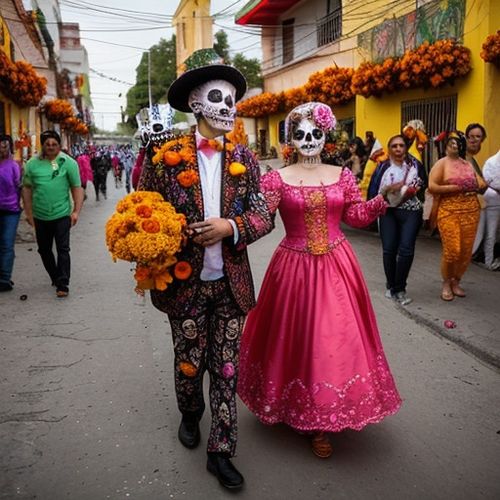
The aesthetic of a Day of the Dead wedding is nothing short of breathtaking. Brides often forgo traditional white gowns in favor of elaborate dresses embroidered with calaveras (skulls) and vibrant floral patterns inspired by the iconic La Catrina, the elegant skeletal figure synonymous with the holiday. Grooms might wear tailored suits with sugar skull motifs or subtle embroidery reminiscent of ancestral designs. The color palette is rich and bold—deep purples, fiery oranges, and electric blues—mirroring the hues of marigolds and the flickering glow of candlelight that define the festival.
One of the most poignant moments in these weddings is the inclusion of the ofrenda matrimonial, a wedding altar that pays homage to relatives who have passed. Couples place framed photos of deceased family members alongside their own wedding portraits, symbolizing the enduring presence of those who couldn’t physically attend. Offerings of pan de muerto (bread of the dead), bottles of tequila, or even a departed grandparent’s favorite cigar might grace the altar. This act is more than ritual; it’s an emotional acknowledgment that love transcends mortality.
Music and dance play a pivotal role in these celebrations. Mariachi bands strike up lively tunes, but the playlist often includes traditional sones jarochos or even danzón numbers that evoke the spirit of ancestral gatherings. Guests, their faces painted in the signature calavera makeup, twirl and sway in a fusion of festivity and reverence. The first dance might be a hauntingly beautiful rendition of "La Llorona", a folk song steeped in Mexican folklore, reminding everyone that joy and sorrow are two sides of the same coin.
Food, of course, is central to the experience. A Day of the Dead wedding feast is a lavish affair featuring tamales, mole poblano, and an array of sweets like sugar skulls inscribed with the names of the bride and groom. The wedding cake might be a towering masterpiece decorated with edible marigolds or skeletal figurines in wedding attire. Each dish carries meaning—the spices, the flavors, even the act of sharing a meal mirrors the communal aspect of the holiday, where the living and the dead are united at the table.
What makes these weddings truly remarkable is their ability to reframe death not as an end, but as a continuation. In Mexican culture, death is not feared; it’s embraced as a natural part of life’s journey. By choosing to marry during the Day of the Dead, couples make a bold statement: their love is as eternal as the memories of those who came before them. The laughter, the tears, the clinking of glasses—all of it unfolds under the watchful eyes of ancestors, whose presence is felt in every marigold petal and whispered prayer.
As this trend grows, it’s also evolving. Some couples blend elements from other cultures, creating fusion ceremonies that honor mixed heritages. Others opt for intimate gatherings in cemeteries, where they exchange vows surrounded by the graves of their forebears. What remains constant, though, is the underlying message: love, in all its forms, is stronger than death.
For those outside Mexico, the concept might seem surreal or even macabre. But to witness a Day of the Dead wedding is to understand the profound beauty of a culture that celebrates life by embracing death. It’s a reminder that love stories don’t end at the altar—they ripple through time, touching generations past and those yet to come. And perhaps, in the glow of a thousand candles, that’s the most magical vow of all.

By Grace Cox/Apr 19, 2025
By Sarah Davis/Apr 19, 2025
By Noah Bell/Apr 19, 2025
By Victoria Gonzalez/Apr 19, 2025
By Daniel Scott/Apr 19, 2025
By Elizabeth Taylor/Apr 19, 2025
By David Anderson/Apr 19, 2025
By Benjamin Evans/Apr 19, 2025
By John Smith/Apr 19, 2025
By Christopher Harris/Apr 19, 2025
By James Moore/Apr 19, 2025
By Amanda Phillips/Apr 19, 2025
By Thomas Roberts/Apr 19, 2025
By Amanda Phillips/Apr 19, 2025
By Elizabeth Taylor/Apr 19, 2025
By David Anderson/Apr 19, 2025
By Daniel Scott/Apr 19, 2025
By James Moore/Apr 19, 2025
By Daniel Scott/Apr 19, 2025

By Olivia Reed/Apr 19, 2025