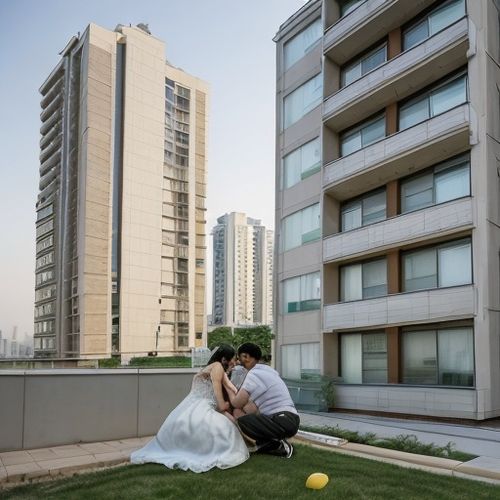
In recent years, the concept of newlywed apartments in South Korea has gained significant attention as young couples navigate the challenges of urban living. These specialized housing options cater specifically to newly married couples, offering a blend of affordability, convenience, and modern amenities tailored to their unique needs. The rise of such apartments reflects broader societal shifts, including delayed marriages, financial constraints, and changing preferences among younger generations.
The demand for newlywed apartments has surged as housing prices in major cities like Seoul and Busan continue to skyrocket. Traditional homeownership remains out of reach for many young couples, prompting developers to innovate with smaller, more manageable living spaces. These apartments often feature smart home technologies, compact yet functional layouts, and communal facilities designed to foster a sense of community among residents. The emphasis on shared spaces, such as rooftop gardens and co-working areas, underscores a growing trend toward collaborative living.
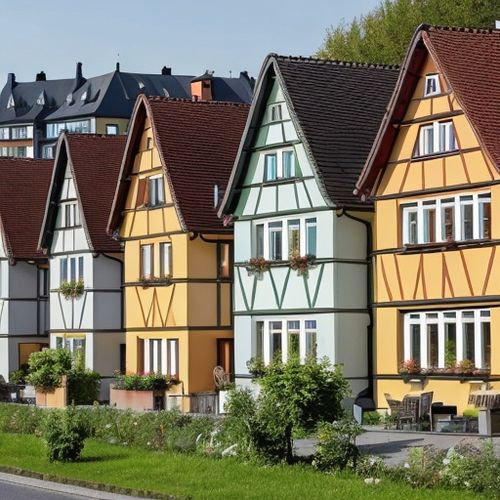
One of the defining characteristics of these apartments is their strategic location. Developers prioritize proximity to public transportation, schools, and healthcare facilities, ensuring that couples can balance work and family life with ease. This focus on accessibility has made newlywed apartments particularly appealing to dual-income households, where both partners are likely to commute daily. Additionally, many of these complexes are situated in emerging neighborhoods, offering a more affordable alternative to the city’s pricier districts.
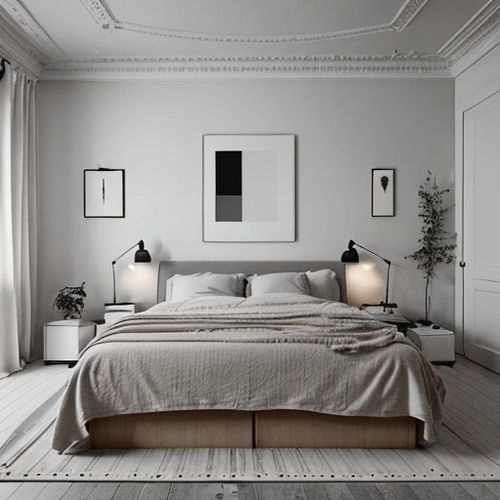
The interior design of newlywed apartments often reflects contemporary aesthetics, with an emphasis on maximizing space without sacrificing style. Open-plan kitchens, modular furniture, and multifunctional storage solutions are common features, allowing couples to personalize their living environment. Some developers even offer customizable floor plans, enabling residents to adapt their homes as their needs evolve over time. This flexibility is especially valuable for couples planning to start a family in the near future.
Financial considerations play a pivotal role in the popularity of these apartments. Many newlyweds in South Korea face significant student loan debt and stagnant wage growth, making traditional homeownership an elusive dream. Newlywed apartments often come with rental or lease-to-own options, providing a more accessible entry point into the housing market. Government initiatives, such as low-interest loans and tax incentives for first-time homebuyers, have further bolstered the appeal of these developments.
The cultural significance of newlywed apartments cannot be overstated. In a society where marriage is often seen as a milestone of adulthood, these housing solutions offer a practical way for couples to establish their independence. They also challenge traditional norms, such as the expectation of living with extended family or purchasing large, multi-generational homes. For many young Koreans, these apartments represent a middle ground between financial reality and the desire for a stable, comfortable home.
Despite their advantages, newlywed apartments are not without criticism. Some argue that these developments perpetuate the trend of shrinking living spaces and contribute to urban overcrowding. Others question whether the focus on young couples excludes other demographics, such as single individuals or older adults, from accessing affordable housing. Nevertheless, the continued growth of this market segment suggests that newlywed apartments are here to stay, at least for the foreseeable future.
Looking ahead, the evolution of newlywed apartments will likely be shaped by broader economic and social trends. As remote work becomes more prevalent, for example, developers may incorporate dedicated home office spaces into their designs. Sustainability is another area of potential growth, with eco-friendly materials and energy-efficient systems becoming increasingly important to environmentally conscious consumers. Whatever the future holds, these apartments will remain a key part of South Korea’s urban housing landscape.
By Grace Cox/Apr 19, 2025
By Sarah Davis/Apr 19, 2025
By Noah Bell/Apr 19, 2025
By Victoria Gonzalez/Apr 19, 2025
By Daniel Scott/Apr 19, 2025
By Elizabeth Taylor/Apr 19, 2025

By David Anderson/Apr 19, 2025

By Benjamin Evans/Apr 19, 2025

By John Smith/Apr 19, 2025

By Christopher Harris/Apr 19, 2025

By James Moore/Apr 19, 2025

By Amanda Phillips/Apr 19, 2025

By Thomas Roberts/Apr 19, 2025
By Amanda Phillips/Apr 19, 2025

By Elizabeth Taylor/Apr 19, 2025

By David Anderson/Apr 19, 2025
By Daniel Scott/Apr 19, 2025

By James Moore/Apr 19, 2025

By Daniel Scott/Apr 19, 2025
By Olivia Reed/Apr 19, 2025