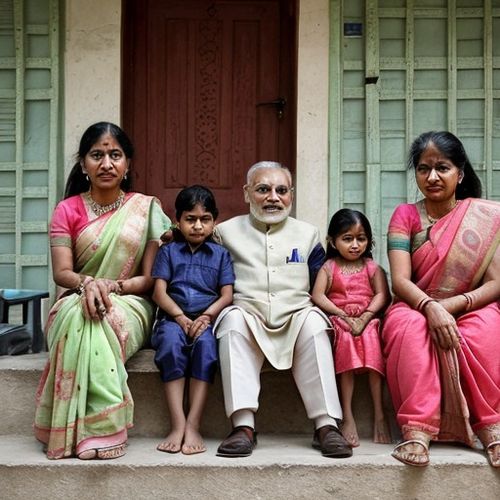
The concept of the joint family system has been deeply ingrained in Indian society for centuries, serving as both a social structure and an economic unit. Unlike the nuclear family model prevalent in Western societies, Indian joint families typically comprise three or more generations living together under one roof, sharing resources, responsibilities, and emotional bonds. This system has historically provided economic security, emotional support, and a sense of belonging, though it is not without its challenges in the modern era.
At the heart of the joint family system lies the principle of collective living. Multiple generations—grandparents, parents, uncles, aunts, and children—cohabit in a single household, often in a large ancestral home. The eldest male member traditionally assumes the role of the head, making key decisions related to finances, marriages, and other significant matters. However, this patriarchal structure has evolved over time, with women increasingly taking on leadership roles and contributing to household decisions.
The economic advantages of the joint family system cannot be overstated. With multiple earners pooling their incomes, the family can better withstand financial hardships, invest in property, and fund education or business ventures. Younger members benefit from the wisdom and experience of elders, while older members receive care and support in their later years. This interdependence fosters a strong sense of unity and shared purpose.
Despite its many benefits, the joint family system faces growing pressures in contemporary India. Urbanization, globalization, and the rise of individualism have led many younger Indians to prefer nuclear families, where personal freedom and privacy are prioritized. Career opportunities in distant cities further strain familial ties, as members relocate for work and education. The traditional joint family, once a cornerstone of Indian life, is gradually giving way to more fragmented living arrangements.
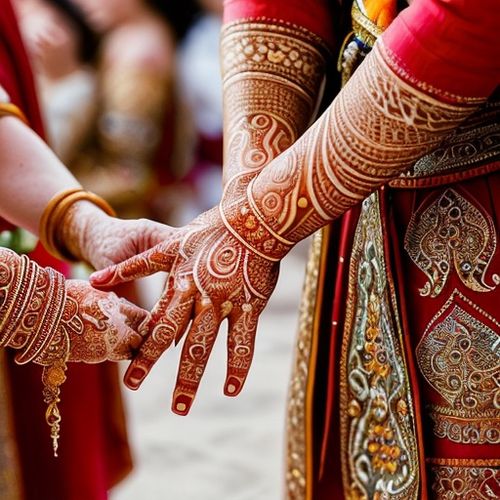
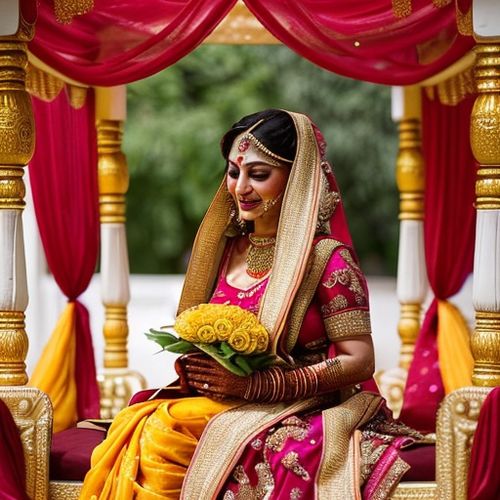
Yet, the joint family system has proven remarkably resilient. Even as nuclear families become more common, many Indians maintain close ties with extended relatives, often living in the same neighborhood or visiting frequently. Festivals, weddings, and other celebrations continue to bring families together, reinforcing bonds that transcend physical proximity. In rural areas, where agriculture and traditional occupations dominate, joint families remain the norm, providing stability in an ever-changing world.
The emotional and psychological benefits of the joint family system are profound. Children grow up surrounded by multiple caregivers, learning values such as respect, cooperation, and empathy from an early age. Elders, revered for their wisdom, play an active role in upbringing, passing down cultural traditions and moral lessons. In times of crisis—whether illness, financial loss, or personal tragedy—the family acts as a safety net, offering unconditional support.
However, the system is not without its drawbacks. Conflicts over property, differing lifestyles, and generational gaps can create tension within joint families. The lack of privacy and autonomy sometimes leads to friction, particularly among younger members who crave independence. Balancing tradition with modernity remains an ongoing challenge, as families navigate shifting societal norms.
As India continues to evolve, so too does the joint family system. Hybrid models are emerging, where families maintain separate households but remain closely connected through frequent visits and shared responsibilities. Technology has also played a role, with video calls and messaging apps helping bridge the gap between geographically dispersed relatives. The essence of the joint family—its emphasis on unity, mutual care, and shared heritage—endures, even as its form adapts to new realities.
Ultimately, the joint family system reflects the core values of Indian culture: interdependence, respect for elders, and the belief that family is the foundation of a meaningful life. While its structure may change, its spirit remains deeply embedded in the Indian psyche, shaping identities and relationships in ways that are both timeless and ever-evolving.

By Grace Cox/Apr 19, 2025
By Sarah Davis/Apr 19, 2025

By Noah Bell/Apr 19, 2025
By Victoria Gonzalez/Apr 19, 2025
By Daniel Scott/Apr 19, 2025

By Elizabeth Taylor/Apr 19, 2025

By David Anderson/Apr 19, 2025
By Benjamin Evans/Apr 19, 2025
By John Smith/Apr 19, 2025

By Christopher Harris/Apr 19, 2025

By James Moore/Apr 19, 2025

By Amanda Phillips/Apr 19, 2025

By Thomas Roberts/Apr 19, 2025
By Amanda Phillips/Apr 19, 2025
By Elizabeth Taylor/Apr 19, 2025
By David Anderson/Apr 19, 2025

By Daniel Scott/Apr 19, 2025

By James Moore/Apr 19, 2025
By Daniel Scott/Apr 19, 2025

By Olivia Reed/Apr 19, 2025